Denver NC Lake Norman Living on the Quieter West Side
June 4, 2026
June 4, 2026
Wondering whether Denver offers the Lake Norman lifestyle without the busier pace you may find closer to Charlotte? If you are looking for more space, a quieter setting, and practical access to the water, Denver often stands out for exactly those reasons. Understanding how the area feels day to day can help you decide whether it fits your routine, your priorities, and the kind of home you want. Let’s take a closer look.
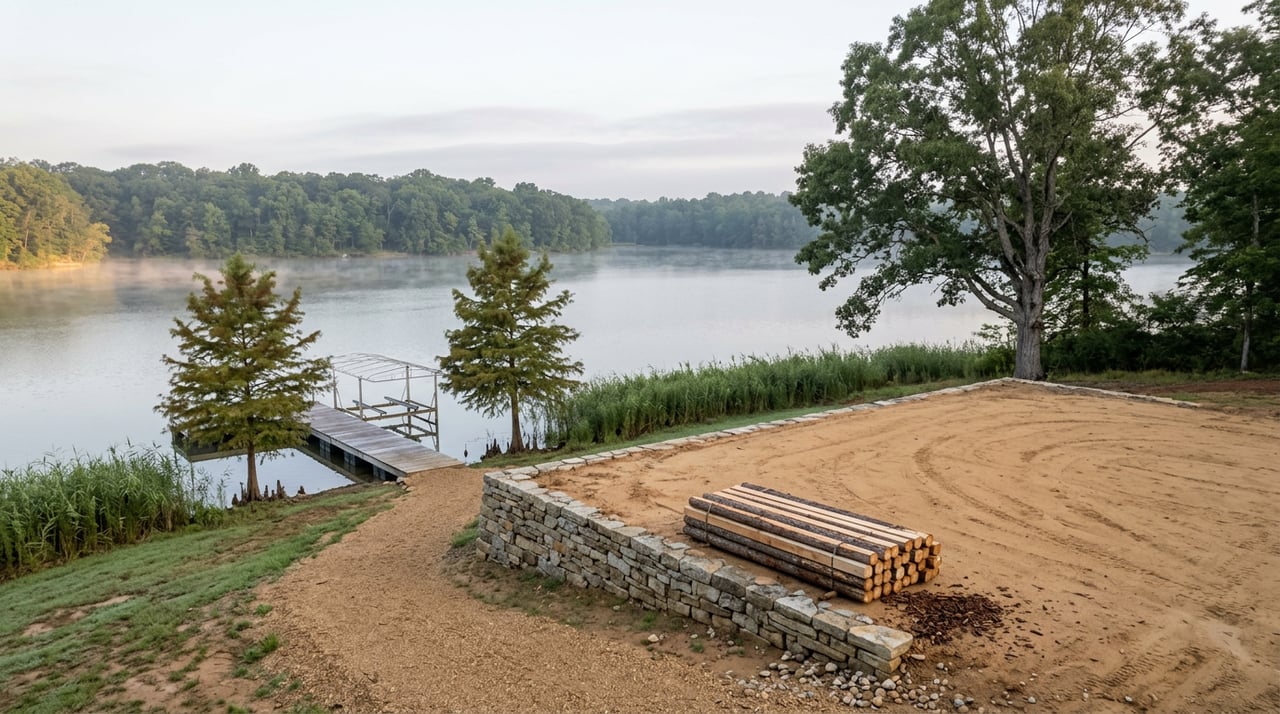
Denver sits on the west shore of Lake Norman in Lincoln County along Highway 16. Lake Norman is North Carolina’s largest man-made lake, and the west side is often described in local tourism materials as the quieter, more spread-out side of the lake.
That lower-density feel shows up in the numbers as well. Denver has 2,497 residents across 5.9 square miles, with a population density of 421.3 people per square mile. For many buyers coming from denser parts of the Charlotte area, that translates to a more residential, less built-up everyday environment.
Living in Denver usually means a car-based routine rather than an urban one. The ACS profile reports a mean commute time of 29.4 minutes, which supports the idea of a suburban-to-rural pattern where driving is part of daily life.
That said, Denver is not isolated. You still have useful local amenities, but they are spread across the area in a way that keeps the community feeling primarily residential rather than heavily commercial.
If you want options beyond the lake itself, Lincoln County maintains several local facilities in and around Denver. These include East Lincoln Park, Rescue Squad Park, Rock Springs Nature Preserve, and the East Lincoln Community Center.
For many residents, that mix adds convenience to daily life. You can enjoy outdoor time, community activities, and recreation close to home without needing to head toward Charlotte for every outing.
Denver’s housing picture is broad, and it helps to separate the general market from the lakefront niche. The latest ACS profile lists 1,170 housing units and a median value of owner-occupied homes of $296,300.
That figure is best viewed as a general local baseline, not a shortcut for understanding waterfront pricing or custom-home inventory. In practice, Denver includes standard residential neighborhoods as well as a meaningful custom-home and lake-oriented segment.
On the west side of Lake Norman, lakefront real estate is about more than a view. Lincoln County’s Lake Norman Area Standards apply to development within 1,000 feet of the shoreline and require a 50-foot setback from the full pond line for most structures on waterfront lots.
The county also sets rules for piers, docks, boat-launching ramps, moorings, floats, and related shoreline improvements. That matters because two homes on the water can offer very different ownership experiences depending on lot conditions, shoreline rules, and the ability to support private boat infrastructure.
For buyers considering a lake property, these details can shape both lifestyle and long-term value. For sellers, they can also affect how a property should be positioned in the market.
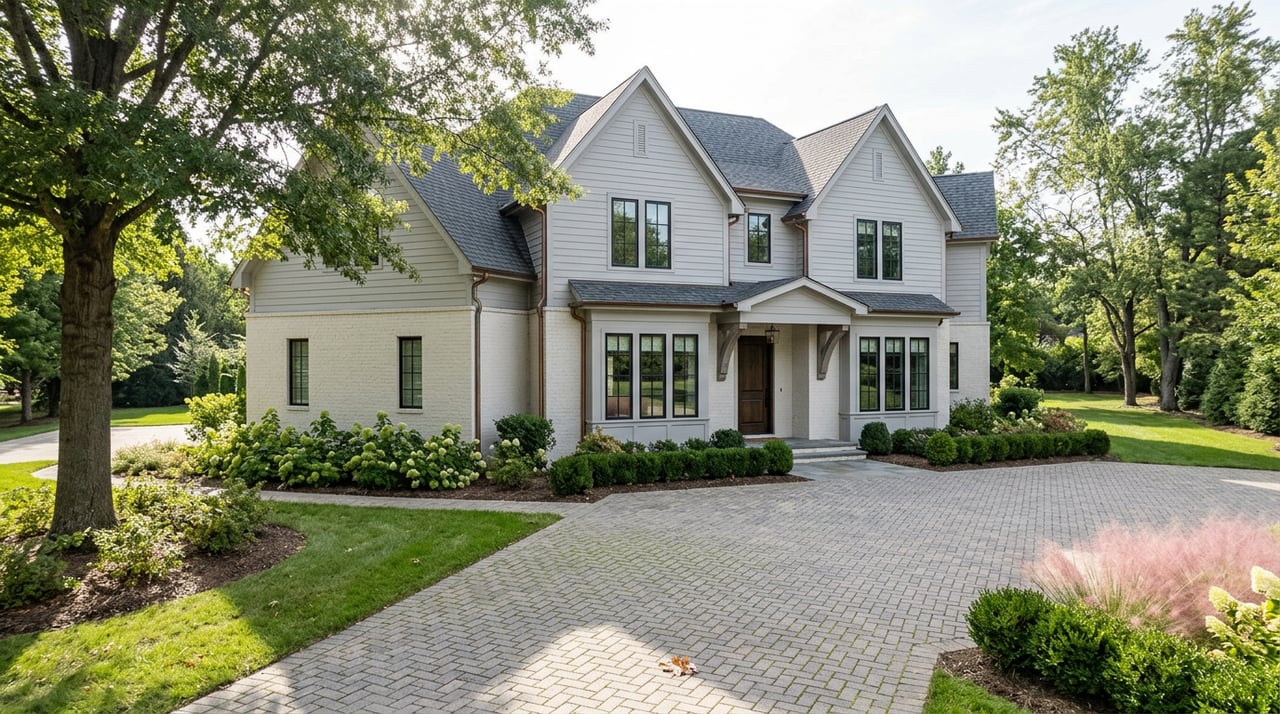
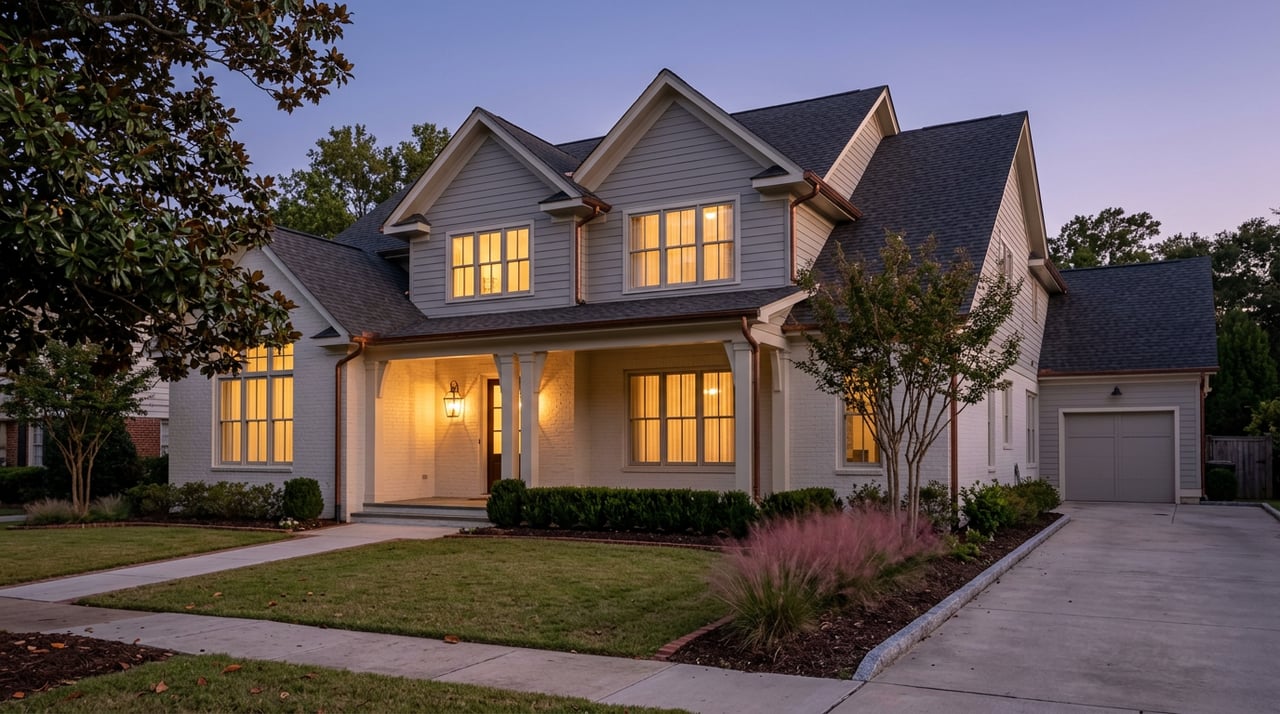
Denver is not limited to conventional suburban housing. Local builders and remodelers actively market Denver and the broader Lake Norman area for custom homes, renovations, and lake-oriented construction.
That supports a practical view of Denver as a market with low-density neighborhoods, custom homes, and waterfront properties where design, renovation scope, and construction quality can matter quite a bit. If you are comparing homes here, finishes and floor plans are only part of the story.
One of the clearest public lake amenities on Denver’s west side is Beatty’s Ford Park. According to Lincoln County, the park includes a public boat ramp, fishing pier, swim beach, splash pad, concession stand, playground, and picnic shelter.
This is a meaningful advantage if you want public lake access without owning a fully waterfront property. It gives residents a straightforward way to enjoy boating, fishing, and family recreation close to home.
There is one practical note to keep in mind. Lincoln County says beach availability can change with lake levels, and the swim beach has at times been closed because of low water.
Lake living on Denver’s side of Lake Norman is closely tied to boating and shoreline use. County standards outline approvals for shoreline structures and explain how docks, moorings, and boating-related uses are handled, including situations where single-slip piers may be treated as a principal use and where multiple slips may be allowed under certain conditions.
In simple terms, the lake is a major part of the area’s identity, but access can take different forms. Some homeowners prioritize private docks, while others rely on public launch points, nearby clubs, or marina services.
Denver is not the kind of place where you will find a marina on every corner. Instead, the lifestyle tends to combine quiet residential living with nearby access points and boating services.
A nearby west-side option is Lake Norman Marina in Sherrills Ford, which offers boat rentals, service, and boat-club access. For buyers who want flexibility, that can be a useful part of the equation even if they are not shopping for a home with direct dock access.
Denver’s dining scene is practical, local, and easy to navigate. Examples from the area include Chillfire Bar & Grill, Fresh Chef’s Denver location, and Sports Page, which markets itself as a hometown restaurant with live music and a casual sports-bar atmosphere.
That mix fits the broader character of Denver. You have neighborhood dining for regular use, but not the dense concentration of restaurants you would expect in a larger city.
When you want a wider range of restaurants, the broader Lake Norman corridor adds more options. Local tourism materials describe the region as offering waterfront dining, chef-driven menus, and walkable downtown choices across Cornelius, Davidson, and Huntersville.
For many residents, that balance is part of the appeal. You can live in a calmer, more spread-out setting while still having access to a larger dining scene within the region.
For many households, commuting patterns are part of the Denver decision. Denver sits on Highway 16, and the broader Lake Norman area is often marketed as roughly 20 minutes north of Uptown Charlotte.
At the same time, traffic conditions are a real part of the picture. NCDOT’s active I-77 South Express Lanes project highlights how important, and often congested, the Charlotte corridor remains.
In day-to-day terms, Denver living usually means driving and accepting that commute times can vary based on destination, route, and traffic. If you work in Charlotte but want more space and a quieter home base, that tradeoff may feel worthwhile.
Denver tends to appeal to buyers who want a more relaxed Lake Norman setting without giving up access to daily essentials or the broader Charlotte market. It can be especially attractive if you value lower-density surroundings, boating access, custom-home potential, or a residential pace that feels less commercial.
It may be a fit if you are looking for:
If you are drawn to Lake Norman but want a setting that feels calmer and more spread out, Denver offers a compelling west-side option. The area combines local parks, public lake access, custom-home potential, and a quieter residential pattern that many relocating and move-up buyers appreciate.
The details matter here, especially if you are considering waterfront property, dock potential, renovation scope, or a custom build. If you want experienced guidance on how Denver compares with other Lake Norman communities, Scott Cervo Properties can help you evaluate the lifestyle, the housing options, and the property-specific details that shape value.
Stay up to date on the latest real estate trends.