Renovating Your Cornelius Lakefront Home: Key Steps to Know
February 19, 2026
February 19, 2026
Renovating a lakefront home in Cornelius can be deeply rewarding. You are improving lifestyle and protecting long-term value in one of Lake Norman’s most sought-after settings. It also brings a unique set of rules, moisture and HVAC considerations, and shoreline decisions that can affect cost, timing, and resale. This guide gives you a clear framework to plan confidently, avoid missteps, and align your project with market expectations. Let’s dive in.
Before you sketch a plan or hire a contractor, verify who controls what and which approvals you will need. On Lake Norman, shoreline and in-water work is reviewed by multiple authorities. Duke Energy’s Lake Services administer shoreline classifications and lake-use permits within the project boundary. That includes new or modified docks, lifts, dredging, and stabilization. Review the lake-use rules and start your inquiry with Duke Energy Lake Services.
You will also work with the Town of Cornelius for local approvals. The planning and building departments manage zoning, building, stormwater, and electrical permits that apply to your parcel and any structures tied to the land. Contact the town early to understand checklists, timelines, and inspections through the Cornelius Planning & Permitting portal.
For projects that disturb the water or wetlands, you may need state or federal review. The US Army Corps of Engineers, Wilmington District coordinates federal permitting and the joint permit application process with North Carolina agencies for in-water work such as dredging or certain stabilization methods. You can find regulatory contacts and guidance through the USACE Wilmington District.
Many Lake Norman docks and boathouses were built under older rules. They may be lawful as existing structures but considered nonconforming under current standards. Any modification can trigger a full review and require a redesign to meet today’s rules. Plan for a Duke permit and potentially state or federal coordination if you alter size, cover a slip, change pilings, or work within the water.
Key points to confirm during due diligence:
If dredging is required for access or turnaround, expect engineered plans, seasonal windows, sediment controls, and more lead time. Build these contingencies into your schedule before you finalize design.
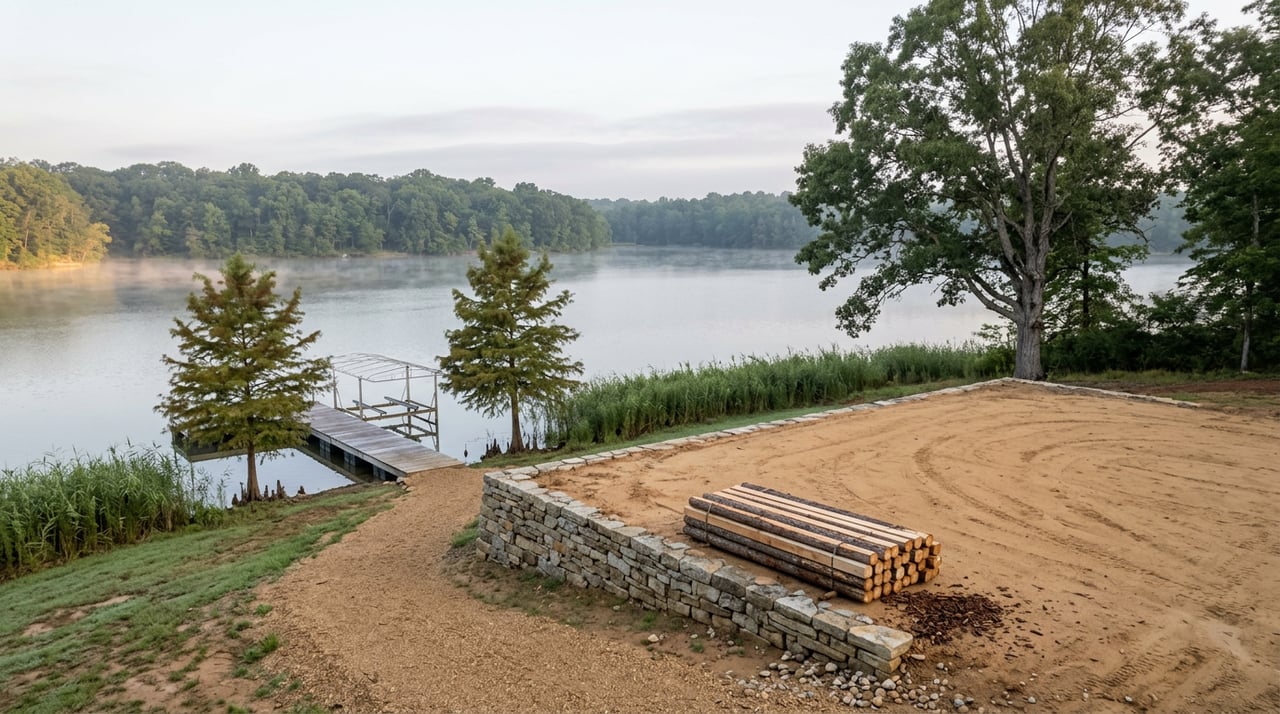
Cornelius shorelines see boat wakes, water level changes, and weather that can stress banks over time. Stabilization choices vary by site and permitability:
Regulators often favor softer solutions where feasible. Any stabilization work will require erosion controls and permits. The EPA’s shoreline guidance explains the long-term tradeoffs between hard walls and sloped or vegetated approaches. For a technical overview, review the EPA resource on shoreline and marina impacts here.
A detailed dock inspection helps you decide between targeted repairs and a full rebuild. Prioritize these items during your assessment:
Choose repair when damage is localized and the structure is fundamentally sound. Replacement is often the better long-term path if there is piling failure, widespread rot, inadequate water depth, or if the existing structure is nonpermitted and cannot be brought into compliance without a new design.
Lakefront homes experience elevated humidity and intermittent moisture from boating, splash zones, and dense vegetation. Effective moisture control protects finishes, systems, and indoor air quality. The EPA emphasizes that controlling moisture is the single best way to prevent mold growth. If you discover dampness or past water intrusion, follow EPA cleanup and prevention guidance found in the agency’s mold and moisture resource.
When you renovate, discuss humidity targets and load calculations with your HVAC contractor. Oversized air conditioning can cool quickly yet fail to dehumidify properly. Variable-speed or multistage systems often manage humidity better. In many lake homes, a whole-house dehumidifier is a smart addition. For an overview of equipment and efficiency factors, consult the Department of Energy’s consumer dehumidifier guidance.
Balanced ventilation and robust spot exhaust matter as well. Range hoods and bath fans should vent outdoors. In the right scenarios, ERV or HRV systems improve indoor air quality and help manage humidity. See the Department of Energy’s summary on residential ventilation strategies here.
If your property is near a mapped flood zone, integrate flood-resistant materials at lower levels and confirm design requirements early. You can verify zones and base flood elevations through the FEMA Flood Map Service Center at the FEMA MSC portal.
Buyers in Cornelius often weigh dock permit status, shoreline stability, and water access alongside interior finishes. A well-permitted private dock with a lift and safe water depth usually increases buyer interest. Stabilized shoreline with appropriately designed riprap or revetment also signals care and reduces perceived risk.
For interior and exterior projects, use region-level ROI benchmarks to set priorities. The latest Remodeling Cost vs Value data shows many exterior upgrades and minor kitchen updates can recoup a high share of cost at resale. Let lifestyle drive the big decisions, then use ROI data as a filter to rank projects that are likely to return more value. You can explore current ROI trends at Cost vs Value.
Seasonal water-quality perception can influence buyer sentiment as well. Local groups monitor the basin and share swim advisories or updates that shape how some buyers feel about recreation and cove conditions. To stay informed, review updates from Catawba Riverkeeper.
Consider a more extensive rebuild when one or more of these apply:
A targeted remodel is often best when the structure is sound, you can re-permit the dock with minor reconfiguration, and interior needs are largely cosmetic or midrange in scope. Pair lifestyle goals with ROI benchmarks to dial in the right mix of upgrades.
Renovations that touch the shoreline move on a different timeline than strictly interior work. Keep things on track by sequencing early steps well.
When you align permits, design, and moisture control from the start, you protect both your lifestyle and your asset. Clear documentation of dock permissions and shoreline work makes your home easier to value, easier to insure, and more attractive when you decide to sell. If you want a second set of eyes on scope, budget, and resale impact, partner with a local advisor who understands both construction detail and Lake Norman’s permitting landscape.
Ready to plan with confidence? Connect with Scott Cervo Properties for a discreet consultation that blends builder-level insight with boutique marketing strategy.
Stay up to date on the latest real estate trends.